Saturday, July 26, 2014


Above is the song “Carpuela Lindo,” as recorded by Bocapelo, an all vocal group out of Ecuador. Though this is more of a contemporary arrangement, with more vocal jazz elements, it comes from a long tradition of bomba arrangements where voices imitate instrumental music. An arrangement of this song in a more traditional setting can be found at earthsongschoralmusic.com.

Below is their introduction to the song:
“Carpuela Lindo is a traditional bomba written by Milton Tadeo Carcelen, a farmer from the city of Ibarra in the Valle del Chota region of Northern Ecuador.  It was arranged for mixed chorus in 1999 by Eugenio Auz Sanchez (b. 1958) from Quito, Ecuador.  The Franz Liszt Conservatory of Quito, Ecuador, awarded it first prize as the best arrangement of an Ecuadorian folk song.
The bomba groups are small groups of musicians who primarily use the voice to imitate percussive instruments.  Additional instruments used by the bomba groups can include guitars, drums, hollow tree trunks, guiro, maracas, and the orange leaf.  The text of the songs reflect themes of everyday life. 
The man singing the song is leaving his beloved Carpuela region to find work in the Amazon jungle located on the easter side of Ecuador.  The intensity of his feelings is reflected in the word Jass! - an explosive, expressive word with no real meaning.”

A pdf of the first page of this arrangement can be found through this link and an mp3 here.


Both of these examples give good ideas of how to incorporate ethnic music into the classroom. Neither is 100% authentic but both pay homage and respect to original style and cultural idiosyncrasies. Within the classroom setting there are many options when it comes to challenging our students to go beyond music that they know. The first option is to re-create music from original cultures. This works well if you have the correct instrumentation, access to the original music or transcriptions, or a recording and have plenty of seat time with which to listen and learn the music by wrote. Another option is extend a snippet of music by repeating sections and/or improvising on the themes presented. This allows for the utilization of shorter pieces of music found in research recordings. It also gives some creative leeway to students who can interpret within the context of the original piece. Additionally, this lends itself to the possibility to translate the original instrumentation into what is available in any given group.

One final option is to have students study a certain style of music and then create their own piece based on their study. There are many benefits to this kind of study including the personal investment that students will have when writing their own music. This takes a savvy and well-educated student with musical understanding that includes listening skills, understanding of musical form and how best to interpret both culture and music. The beauty of most music is that there are typically allowances for interpretation and improvisation. The video above shows that even within a culture there is musical freedom, i.e. the voice to sound like an instrument. Both of these examples serve as models by which to guide the incorporation of cultural music into music classrooms.

Friday, July 18, 2014

Modern Ecuadorian Street Music


Title: Unknown
Performers: A group of artist from Ecuador performing in South Korea.
Culture: Ecuador/Andean Music
Orchestration: Aerophones (Flutes, Recorders, panpipes) with pre-recorded track of Membraphones, Chordophones and Idiophones.

I ran into this video a few weeks back when looking for “music of the Andes.” I originally dismissed it because there is no information about the music or the performers, except where they were performing. I also dismissed it because this street performance appears to be a staged version of Andean music geared toward an audience. It also appears to be a more modern take on Andean music instead of a recreation of traditional Ecuadorian folk music. Since this week we are discussing “authenticity” I thought it was a good time to utilize this video.

When thinking about how best to include cultural music in the music classroom the issue of authenticity, or how best to stay true to the original music, quickly becomes the main focus. In her article, “Can’t We Just Change the Words,” Lisa H. Koops gives four models for dealing with authenticity when teaching cultural music. The first model places music on a continuum whereby the teacher strives to be as authentic as possible within the context and limitations of their classroom. The second model places historical and personal authenticity as the absolute goal when teaching. Authentic instruments, contexts and cultural understanding is paramount in this model. Another model is the Reproduction/Reality/Relevance model. In this model focus is placed on the students understanding of the authentic music. The teacher music understand the original context, attempt to reproduce the music within the classroom setting and generate meaning within the student making the music. The final model, Beyond Authenticity, is getting down to brass tacks and making music. The questions about authenticity are important, but they should not bog down the teacher. Instead, making music, no matter the constraints, limitations or lack of cultural understanding, should be the focus of the educational process.


When considering the performance of the video it is clear that there is both a great deal of authenticity happening but also a great deal that is inauthentic. These performers are more interested in making music that is enjoyable for their contemporary audience than worrying about if an original audience would recognize it as their music. Each of these models has to account for teacher and classroom limitations. Each of them recognizes that the more authentic you can be at reproducing the music, the more engaged and motivated students are in the process. All of them understand that there is no hope for a 100% authentic reproduction. With that in mind, I feel like we need to do our best to teach authentic cultural music, but not limit ourselves based on the constraints of instruments or lack of resources. Exposing our students to cultural music, having them gain critical listening and musical skills and giving them opportunity to reproduce musically what they have learned in the best way possible will create a better, more well rounded, music student than if we simply reject and do not attempt because we don’t have the resources to be authentic. This is exactly what these musicians have done and we should take a note from their book.

Friday, July 11, 2014

Contextual Issues in Andean Music from Peru


This piece, LLAQULLA, is performed by the Ayarachi, most likely not a formal title for a performing group but the name of the area that these people are from. The song and dance are for a funeral which is accented by the slower tempo called waynos lentos. The traditional matching colors of the group also speak to them all being from the same area. The song uses bombos, sikus and pitus—drums, panpipe and flute.

There are a couple things to note in this piece when it comes to the context and musical structure. First, as noted above, these people are all from the same people group, or area, as denoted by their attire. They learn the songs from wrote via the oral tradition, which affects the complexity of the piece. The performers are not selected for the ensemble; rather anyone from the community can participate. This also affects the complexity of the song. Songs from this region are denoted primarially by their tempo. It is fitting that for a funeral, the slower tempo song waynos lentos would be used. In order to have the melody be continuous, the panpipe players must alternate playing notes. Finally, the structure of the song falls within the typical format from the region. The melody is played and repeated before another melody is played and repeated. Each section is set off with a cadence denoting either a repeat or the start of the next section, giving the song continuity. Each of these contextual issues help determine the structure of the music and way in which is performed. 

The structure of the song is as follows:

0:05  Drums set temp
0:07  Full cadence is performed
0:20  A section
0:37  Partial cadence
0:39  Repeat A section
0:55  Partial cadence
0:57  B section
1:11  Partial cadence
1:15  Repeat B section
1:30  Full cadence
1:42  A’ section—a repeat of the melody from A down a 5th
1:56  Partial cadence
2:00  A’ section repeated
2:17  Partial cadence
2:20  B’ section—a repeat of the melody from the B section down a 5th
2:33  Partial cadence
2:37  B’ section repeated
2:51  Full cadence

3:05  Ending of the song with a ritardando note and drum beat.

Friday, July 4, 2014

Ecuadorian Folk Music


Que Doloroso by Arany Zoltán is an Ecuadorian style folk song played with
the panpipe, guitar, mandolin, shaken percussion, voice and struck, non-pitched rattle.

From Arany’s website:
Arany Zoltán was born in 1976 Debrecen, Hungary. He began to play music at the age of four. Later studied cello and guitar. At 20 years of age he turned to folk music and medieval music. At first he played mandolin and later learned to play multiplicity of instruments. In these last fifteen years he played in many groups exploring various different styles. He has experience in many styles of folk music and medieval music as well.

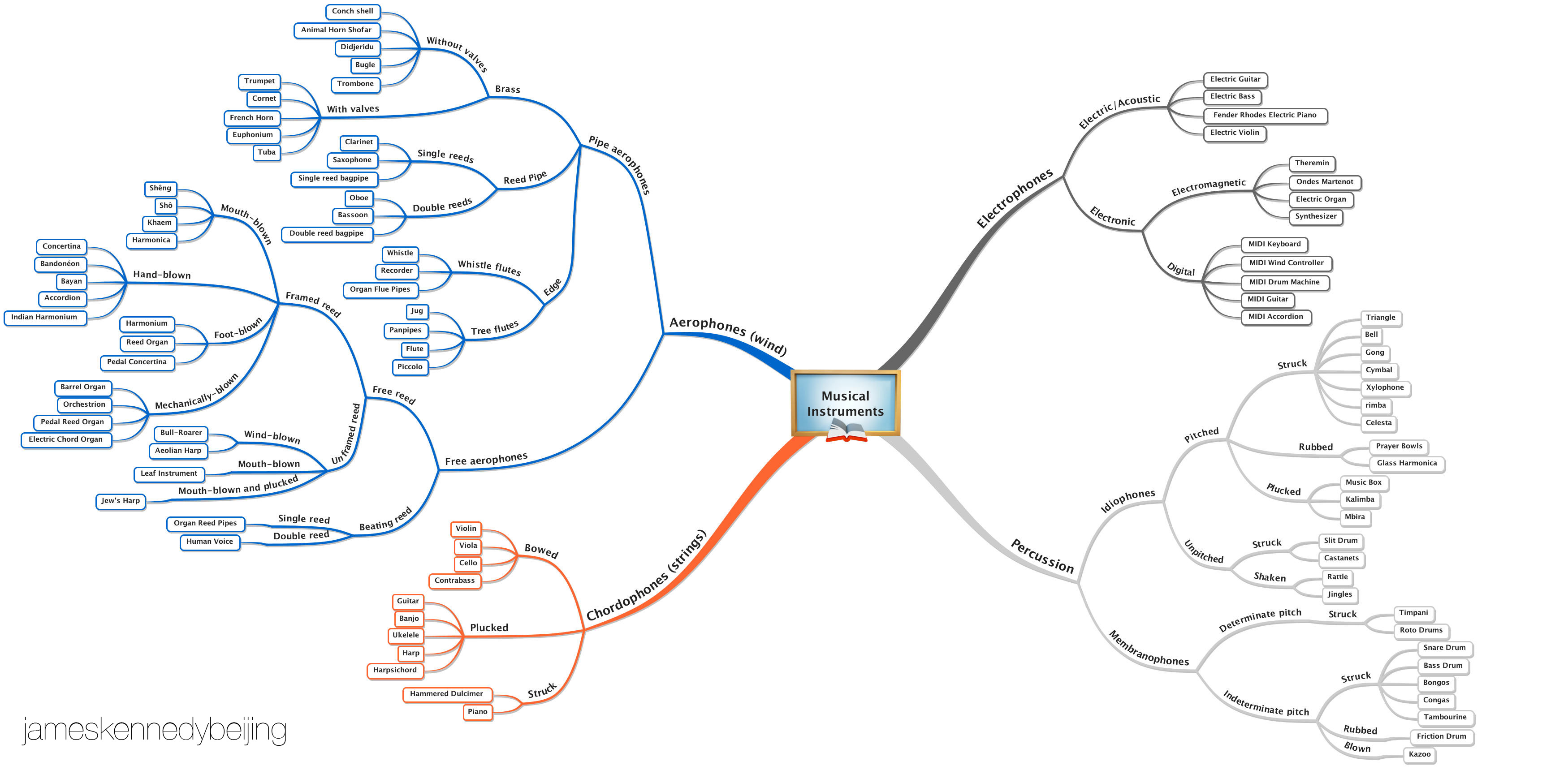
One of the issues that music teachers face in a musically prolific and diverse culture is giving students the ability to listen critically to music in such a way that they can discern what they are hearing and then be able to recreate the sound when needed. Ethnomusicologists have paved the way by helping to classify musical sound into categories that help discern what instrument is being utilized. There are many different systems throughout the world. The ancient Chinese system was based on eight sounds, depending on the material of which the instrument is constructed. The Indian system centered around what part of the instrument vibrated to create sound—the body, a membrane, a string or column of air. The European system, of which I am most familiar, was based on the parts of the orchestra—strings, winds, percussion and keyboard. Simple systems developed in Africa and in ancient Greece placed instruments into two categories. No matter the construct, all of these systems have the same goal: to adequately describe and categorize instruments of similar sounds. The most extensive of these systems is based on Victor Mahillon’s four categories, expanded by Sachs and Hornbostel to include subcategories. Air, membrane, strings and the instruments body serve as the major categories—aerophone, membranophone, chordaphone and idiophone. More recently electronically generated sounds have been added to the system, electrophones. The ability to identify, adequately describe and categorize an instrument is a tremendous benefit to the creation and sustaining of musical tradition. The excellent diagram below shows the basis for each category and subcategory along with how each is differentiated.

In the piece above you hear a shaken, non-pitched rattle instrument enter at 0:34. At the same time, and in the background, there is also another non-pitched struck rattle sound that at first sounds like distortion due to the fidelity of the recording but upon continued listening we recognize that it comes in at specific points of the piece in tempo. Also, in the plucked chordaphones you can hear the timbre of two different instruments, the guitar and a mandolin style, small body guitar. Being able to hear and classify these instruments help us better enjoy, understand and document the piece.

Taxonomy of Musical Instruments Mind Map by James Kennedy, Beijing,
based on the Hornbostel & Sachs (1914) method of classifying musical instruments.